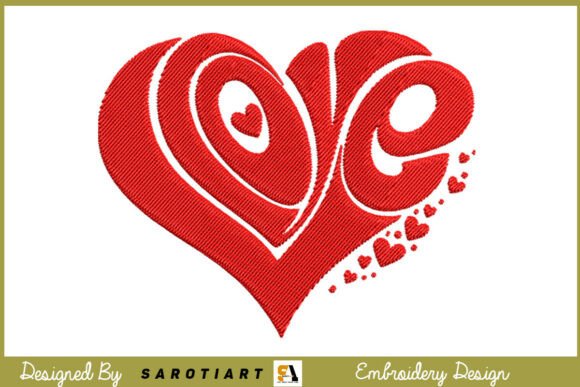
Embroidery T-shirt Design Valentine Love Review
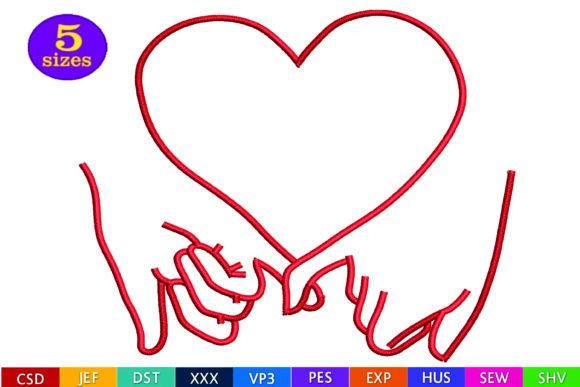
As a professional embroidery designer preparing for a seasonal drop, evaluating a new machine embroidery design requires more than just admiring the digital artwork. It demands a critical eye toward how that art translates into physical thread on fabric. When I first opened the Embroidery T-shirt Design Valentine Love file, I was looking specifically for versatility and commercial viability for a boutique sweatshirt collection. The description highlights this as a "Love Hands Line Art" piece suitable for various projects, but my primary concern was whether it could carry the weight of a premium apparel line. For small clothing brands and Etsy sellers, the difference between a hobbyist craft and a sellable product often lies in the nuance of the digitizing and the aesthetic application.
First Impressions and Aesthetic Versatility
The initial mood of the Embroidery T-shirt Design Valentine Love strikes a balance between minimalism and warmth. Line art is notoriously difficult to digitize well because there is nowhere to hide; every stitch must be intentional. Upon review, this design feels modern rather than dated, which is crucial for contemporary custom apparel. The "hands" motif suggests connection and tenderness without being overly saccharine, making it appropriate for adult fashion rather than just children's wear. This distinction is vital for a boutique brand targeting a demographic that appreciates subtle, meaningful aesthetics over loud graphics.
For a limited sweatshirt drop, this design offers significant flexibility. On neutral sweatshirts like oatmeal, sand, or charcoal, the line art creates a sophisticated texture that elevates the garment beyond basic loungewear. If applied to pastel colors typical of Valentine’s Day merchandise, the design retains a playful, feminine energy. However, its true strength lies in its adaptability to dark fabrics. Many holiday designs fail on black or navy due to poor contrast planning, but the linear nature of this hoodie design allows for high-contrast thread choices that pop against deep backgrounds, ensuring visibility and style across a diverse color palette.
Strategic Placement for Boutique Merchandise
When planning a collection, placement dictates perceived value. While the product title references a T-shirt, this digital embroidery file shines brightest when reimagined for heavier garments. For oversized hoodies, a left-chest placement keeps the design intimate and wearable, avoiding the "billboard" effect that can cheapen a handmade product. Alternatively, centering the design on a crewneck sweatshirt creates a classic vintage sportswear silhouette that performs exceptionally well in lifestyle product photography.
I also evaluated this design for secondary placements. Sleeve accents are trending in commercial embroidery, and the linear flow of the hands motif would wrap beautifully around a cuff or sit vertically along a forearm. Back designs on sweatshirts allow for larger scaling, turning the garment into a statement piece while keeping the front minimal. For Etsy sellers, showcasing these varied placements in printable mockup previews can significantly increase customer engagement by helping buyers visualize the finished product in different contexts. This versatility transforms a single design asset into multiple SKU opportunities within a shop.
Technical Evaluation: Stitch Density and Fabric Compatibility
A pretty picture does not always equal a good embroidery file. My technical review focused heavily on stitch density and fabric interaction. Sweatshirt fleece has a distinct pile and texture that can swallow fine details. If the line art in the Embroidery T-shirt Design Valentine Love is too thin, it will disappear into the fabric; if it is too dense, it will create a bulletproof patch that distorts the cozy drape of the sweatshirt.
From a production standpoint, stabilizer choice is non-negotiable here. For knit fabrics like French terry or heavy fleece, a cut-away stabilizer is essential to prevent puckering and maintain registration during stitching. I recommend testing this design with a medium-weight cut-away and a water-soluble topping to keep the stitches crisp on top of the fleece nap. Designers must also consider hoop size limitations. Before committing to bulk production, verify that the design dimensions fit your specific machine’s hoop capabilities without requiring excessive resizing, which can alter stitch counts and compromise integrity.
Thread color contrast is another practical concern. Because this is line art, the thread itself acts as the outline. On light fabrics, using a tone-on-tone thread (e.g., cream thread on an ivory sweatshirt) creates a luxurious, embossed look that screams high-end boutique. Conversely, metallic or variegated threads could add a festive touch for Valentine S Day, though they require slower machine speeds and specialized needles to prevent breakage. Always run a sew-out test on the actual fabric you intend to sell, as digital simulations rarely account for real-world fabric texture.
Commercial Viability and Brand Identity
For creative entrepreneurs, every design purchase is an investment in brand identity. The Embroidery T-shirt Design Valentine Love supports a cohesive brand narrative because it bridges the gap between seasonal relevance and evergreen appeal. While marketed for Valentine S Day, the "love hands" concept transcends the holiday, allowing the inventory to remain relevant through spring or even as a wedding season staple. This longevity is key for small shop products where dead stock is a financial risk.
Furthermore, the quality of the embroidery directly impacts buyer trust. A clean, well-digitized design signals professionalism. If the registration is off or the tension is poor, customers perceive the entire brand as low-quality. This design’s focus on line art suggests a cleaner stitch-out with fewer trims and jumps compared to complex fill designs, which reduces production time and potential error points. For those selling digital assets or physical goods, this efficiency matters.
Final Considerations for Production
Before adding this to your next collection, remember to check the specific license terms included with the file. Ensure you have the rights for commercial use on apparel if you are selling finished goods. Additionally, confirm the exact stitch count and recommended hoop size, as these variables determine production speed and material costs.
- Fabric Testing: Always test on the exact sweatshirt blank you plan to use to gauge stabilizer needs.
- Contrast Planning: Select thread colors based on the base garment color to ensure readability.
- Placement Strategy: Utilize chest, sleeve, and back placements to maximize the design's utility.
- Mockup Accuracy: Use realistic textures in your digital previews to set accurate customer expectations.
- Wash Durability: Line art should be secured properly at start and end points to prevent unraveling after laundering.
Ultimately, the Embroidery T-shirt Design Valentine Love presents as a strong contender for boutique apparel. It offers the aesthetic softness required for seasonal sales while maintaining the structural simplicity needed for reliable commercial embroidery. By treating this design as a foundational element of a broader collection rather than a standalone novelty, makers can create a cohesive, profitable line that resonates with customers seeking quality handmade products. Whether you are decorating oversized hoodies or refining your Etsy listing photography, this design provides the artistic foundation necessary for a successful seasonal drop.