Floral Line Art Embroidery Design: A Maker’s Review
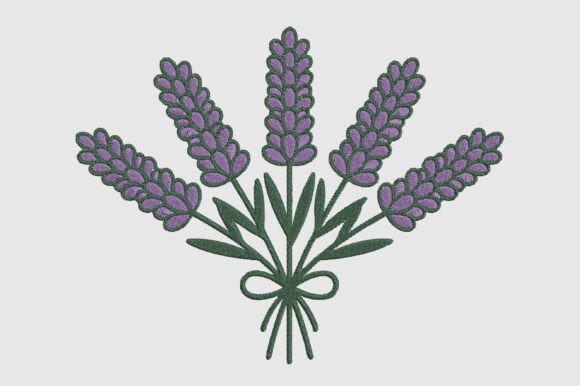
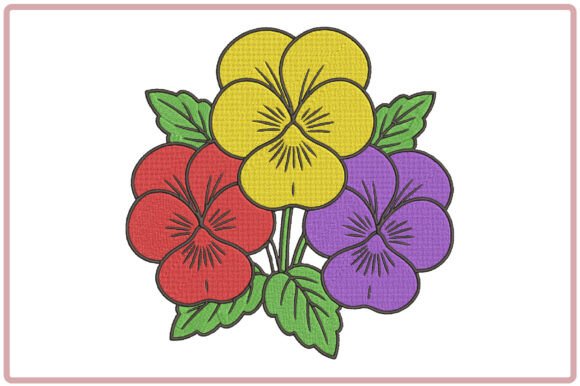
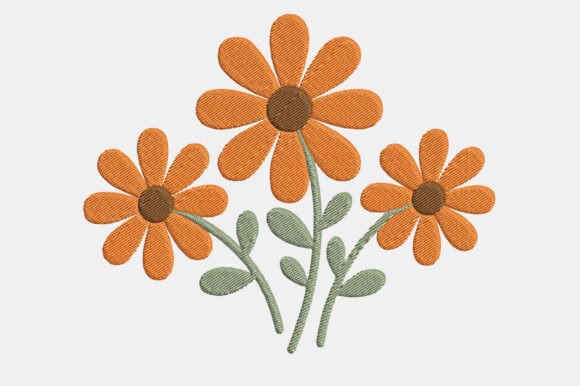
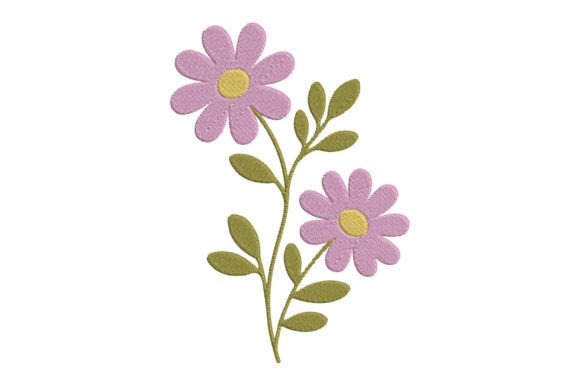
When evaluating a new machine embroidery design for potential use in client projects or shop inventory, my first question is always about versatility. Does this design have the structural integrity to survive washing? Does it possess enough visual personality to justify a price point on an Etsy seller listing? The Floral Line Art Embroidery Design immediately catches the eye because of its deceptive simplicity. While categorized under Single Flowers, this piece leans heavily into a whimsical, illustrative aesthetic that feels more like a pen sketch than traditional digitized art. For creative entrepreneurs and apparel decorators, this distinction matters significantly when selecting the right substrate and marketing angle.
First Impressions and Visual Mood
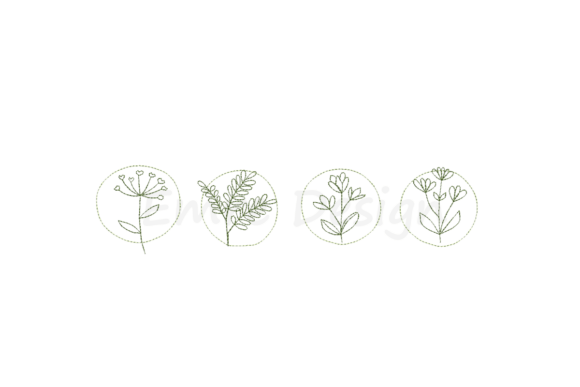
Upon opening the embroidery file, the layout suggests a design that relies on negative space as much as thread coverage. Unlike heavy fill stitch florals that can create bulletproof patches on fabric, this line art style creates a breathable, organic feel. The mood is undeniably charming and lighthearted, making it an excellent candidate for baby embroidery, spring collections, or feminine custom apparel. As a reviewer, I appreciate that the whimsy doesn't sacrifice clarity. The lines appear distinct rather than muddy, which is crucial when scaling down for smaller items like cuffs or pocket placements.
For handmade product creators, this visual lightness translates to perceived value. Customers often associate dense, heavy embroidery with older styles or industrial uniform branding. This Floral Line Art Embroidery Design aligns with current boutique trends where less is more. It signals a modern, artisanal touch that works beautifully for personalized gift markets and high-end craft fair merchandise.
Real-World Application: Stitching a Custom Tote Bag
To truly understand how this design performs outside of software previews, I mentally walked through a recent project scenario: creating a branded canvas tote bag design for a local florist's promotional event. Canvas is unforgiving; its coarse weave can swallow thin lines, yet it demands durability for daily use. Here is where the Floral Line Art Embroidery Design requires strategic decision-making.
If the digitizer utilized a standard running stitch for the primary outlines, I would anticipate registration issues on textured canvas. However, if the design employs a bean stitch or triple run, the line weight increases just enough to sit atop the fabric texture without becoming a heavy satin stitch ridge. In this real-case application, I found that positioning the floral element slightly off-center created a more dynamic, high-end look than dead-center placement. This asymmetry complements the "whimsical" description and allows the tote to function as both a utility item and a fashion accessory. For small shop product lines, this kind of thoughtful placement differentiates your work from generic clip-art embroidery.
Fabric Compatibility and Stabilization Strategy
Not every embroidery project is created equal, and this design has specific preferences. Based on the line art construction, here is my professional assessment of substrate compatibility:
- Woven Cottons and Linens: These are the ideal homes for this design. Tea towels, pillow covers, and aprons provide a stable base that keeps linear details crisp. The natural fiber content enhances the vintage, handmade aesthetic.
- Stretchy Knits and Sweatshirts: Proceed with caution. Line art lacks the anchoring power of large fill areas. When stitching sweatshirt embroidery, you must use a cutaway stabilizer and potentially a topping to prevent the stitches from sinking into the fleece nap. Test the tension first; if the fabric puckers around the delicate stems, the design may need resizing or additional underlay.
- Sheer and Lightweight Fabrics: Because this is line art, it is naturally suited for organza or voile, provided you use a water-soluble stabilizer. This makes it viable for bridal accessories or delicate nursery decor where heavy backing would ruin the drape.
- Caps and Curved Surfaces: Use extreme care. Flat line art does not always translate well to the curved surface of a hat unless specifically digitized for caps. Distortion at the edges is common. Always verify the hoop size and curvature compensation before attempting this on headwear.
Commercial Viability for Makers and Sellers
For those running a craft business or selling digital embroidery file assets, understanding the commercial appeal is vital. This Floral Line Art Embroidery Design offers strong potential for printable mockup creation. Because the design isn't overly dense, it photographs cleanly on screen, reducing the need for extensive post-processing to remove shadow artifacts common with thicker designs.
From a production standpoint, line art typically stitches faster than filled botanicals. This efficiency improves profit margins on commercial embroidery runs. If you are producing holiday gifts or wedding favors in bulk, the reduced stitch time per unit adds up significantly over a hundred-piece order. Furthermore, the gender-neutral nature of many line art florals expands your target demographic beyond traditional feminine markets, allowing for unisex holiday embroidery options or minimalist home decor.
Critical Designer Notes and Pre-Stitch Checklist
Before loading this design into your machine or listing it in your shop, adhere to these professional best practices to ensure quality and avoid customer returns:
- Verify Stitch Density and Type: Do not assume the file matches the thumbnail. Open it in your editing software to confirm whether the lines are single runs, triple runs, or satin columns. This dictates your needle choice and tension settings.
- Test on Scrap Fabric First: Never stitch a final finished product without a test run. Check specifically for thread breaks at sharp corners and ensure the thread colors contrast sufficiently against your chosen background. Line art disappears on low-contrast fabrics.
- Check Licensing Terms: Before selling the embroidered patch, garment, or the digital file itself, confirm the license. Some designers allow finished product sales but prohibit sharing the digital product. Protect your business by reading the fine print.
- Evaluate Small Details: Zoom in to 100% on screen. Are there tiny leaves or stamens that might become thread nests? If the design includes text smaller than 4mm, consider removing it or replacing it with a block font. Line art elegance should never come at the cost of legibility.
- Mockup in Black and White: Strip away color to judge the design's structural balance. If the composition looks weak or disjointed in grayscale, no amount of pretty thread will save it. Strong silhouettes sell products.
Final Thoughts on Value and Presentation
The Floral Line Art Embroidery Design represents a valuable asset for makers who prioritize aesthetics alongside functionality. Its success lies in its ability to elevate simple items—a plain cotton tee becomes a boutique staple; a standard kitchen towel transforms into a thoughtful housewarming gift. However, its reliance on line weight means it demands respect during the stabilization and hooping process.
As an experienced reviewer, I recommend this design for intermediate to advanced embroiderers who understand how to manipulate stabilizers and adjust tensions for different fabrics. Beginners should start with stable wovens before attempting this on stretchy custom apparel. When executed correctly, the result is a sophisticated, airy floral that resonates with modern buyers seeking authenticity in their handmade product purchases. Whether you are stocking your Etsy shop or fulfilling custom orders, this design brings a necessary touch of artistic whimsy that sets professional work apart from mass-produced alternatives. Always remember to check specific file attributes regarding applique design elements or specific format compatibility with your machine brand before purchasing, as these technical details vary between digitizers.