Funny Animal Duo Machine Embroidery File Review
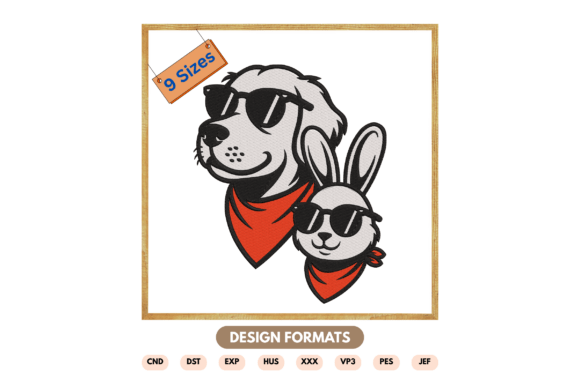
When I first loaded the Funny Animal Duo Machine Embroidery File into my software, I wasn't just looking for cute factor; I was evaluating production viability. As someone who runs a small embroidery business and sells finished goods on Etsy, I need designs that stitch out cleanly, register well on various fabrics, and appeal to customers without requiring excessive troubleshooting. This specific design, featuring a stylish dog and bunny wearing sunglasses and matching bandanas, immediately struck me as a strong contender for modern apparel and accessories. It balances whimsy with a clean aesthetic that avoids the cluttered look common in novelty embroidery files.
First Impressions and Design Integrity
The visual personality of this machine embroidery design is confident and trendy rather than juvenile. The sunglasses and bandanas add a layer of "cool" that makes it appropriate for teen apparel, adult tote bags, and even pet owner merchandise. From a digitizing perspective, the layout is compact but breathable. The two characters are positioned in a way that creates a natural focal point without overwhelming the garment. When reviewing digital embroidery files, I always check for awkward jumps or excessive trims that could slow down production. This duo appears to be digitized with workflow in mind, keeping the stitch path logical between the dog and the rabbit elements.
The mood is undeniably playful, yet the execution feels professional. For an Etsy seller or craft business owner, this distinction matters. Customers associate high-quality stitching with higher product value. If a design looks amateurish on screen, it often translates to a messy finished product. Fortunately, the Funny Animal Duo Machine Embroidery File seems to respect the limitations of thread while maximizing visual impact. The bandanas offer excellent opportunities for color customization, allowing makers to match school colors, brand palettes, or seasonal themes without altering the core design assets.
Real-World Application: Stitching a Custom Tote Bag
To truly evaluate this embroidery file, I mentally walked through a recent client project: a batch of canvas tote bags for a local pet boutique. Canvas is a fantastic medium for this type of design because its stability supports detailed work. However, canvas also has a distinct fabric texture that can swallow fine details if the stitch density isn't adequate.
In this scenario, the Funny Animal Duo Machine Embroidery File would serve as the centerpiece of the bag. I envisioned using a cream-colored canvas with navy thread for the sunglasses and a vibrant coral for the bandanas. The contrast is key here. Because the characters wear accessories, you have built-in color blocking that helps define the shapes. When stitching on textured fabrics like canvas or denim, I would recommend testing the fill stitch areas first. If the design uses a lighter density fill to save time, it might not fully cover the weave of a heavy tote bag. A quick test stitch on scrap fabric is non-negotiable before committing to a commercial embroidery run.
For sweatshirt embroidery, which is another prime use case, the considerations shift. Fleece and French terry are stretchy and prone to puckering. The matching bandanas in this design could potentially be executed as an applique design if the file supports it, or simply as satin stitch borders. If using standard fill stitches on fleece, proper stabilizer choice is critical. I would pair this design with a medium-weight cutaway stabilizer to prevent the sunglasses from distorting after washing. The goal is a handmade product that feels durable and retail-ready, not stiff or misaligned.
Navigating Fabric Challenges and Hoop Sizes
While this design is versatile, there are specific environments where caution is required. Small hoop sizes are the first potential hurdle. Before purchasing or stitching, verify the dimensions against your machine’s capabilities. Compressing a duo design into a 4x4 hoop often results in lost detail, particularly around the sunglasses frames and facial expressions. If you only have a small hoop, consider whether the design can be legally split or if you should opt for a single-character version instead.
Dark fabrics present another challenge. White or light-colored thread on black fabric requires underlay to prevent the dark background from showing through the stitches. Check the digitizer's notes regarding underlay settings in this embroidery file. If the design lacks sufficient underlay for dark garments, you may need to add a foundation layer manually in your editing software. Similarly, stretchy performance fabrics used in activewear require careful hooping and potentially a topping to keep the stitches from sinking into the material.
I would also advise against using this specific design on highly curved surfaces like structured caps unless it has been specifically digitized for headwear. Cap designs require a bottom-up stitch sequence and specific compensation for the curve. A flat-design file stitched on a cap often leads to registration errors where the bunny’s sunglasses don’t align with its face. Stick to flat surfaces like pillow covers, aprons, baby blankets, and tea towels for the best results with this particular asset.
Commercial Viability and Customer Appeal
For creative entrepreneurs, the question isn't just "does it stitch well?" but "will it sell?" The Funny Animal Duo Machine Embroidery File hits a sweet spot for personalized gifts and niche marketing. The combination of dogs and bunnies appeals to multi-pet households, a demographic that spends generously on custom items. As an embroidered patch, this design could become a signature item for a pet grooming business or dog walking service.
Visual appeal directly impacts buyer engagement online. When creating printable mockups or listing photos, ensure the embroidery is photographed in good lighting to show stitch definition. The sunglasses provide a natural highlight area where sheen from rayon or polyester thread can really pop. This visual interest increases perceived professionalism. However, always confirm licensing terms before selling. Some digital embroidery files allow for unlimited physical sales but prohibit sharing the file itself or using it in digital print-on-demand products. Clarifying these rights protects your craft business from legal issues down the road.
Essential Designer Notes for Success
Based on my experience reviewing and using similar design assets, here are practical steps to ensure success with this file:
- Test on Scrap Fabric First: Never stitch directly on a final product without a test run. Verify that the stitch density works with your chosen stabilizer and fabric weight.
- Check Thread Color Contrast: The sunglasses and bandanas rely on contrast for visibility. Test both light and dark fabric backgrounds to ensure readability.
- Review Stitch Density: If the design feels too bulletproof or stiff, reduce density slightly for lightweight baby embroidery projects. If it gaps on canvas, increase density or add underlay.
- Confirm Hoop Size Compatibility: Measure the actual design dimensions in your software. Do not assume it fits your smallest hoop without verification.
- Inspect Small Details: Zoom in to check the running stitch outlines around the sunglasses. These should be continuous and smooth, not jagged.
- Validate Licensing: Before listing any finished product on Etsy or at a craft fair, read the license agreement included with the digital embroidery file.
- Use Proper Stabilizer: Match stabilizer weight to fabric type. Use tear-away for stable woven fabrics and cut-away for knits and stretch materials.
- Mockup Testing: Create black and white mockups to evaluate value contrast independent of color. This ensures the design reads well even in monochrome embroidery.
Ultimately, the Funny Animal Duo Machine Embroidery File offers a refreshing blend of character and technical soundness. Whether you are creating holiday embroidery for family members or stocking your small shop with unique pet-themed gear, this design provides a solid foundation. By approaching it with a critical eye toward fabric compatibility, stabilization, and commercial application, you can transform a digital file into a tangible, profitable, and delightful finished product. Remember that every machine and fabric combination behaves differently; trust your test stitches over assumptions, and your embroidery projects will consistently meet professional standards.