Kawaii Squid Embroidery: A Designer’s Project Review
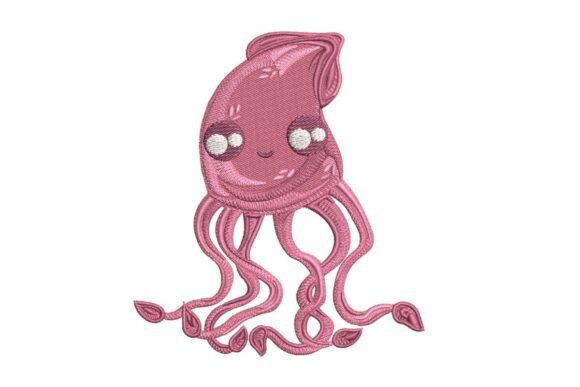
As an embroidery designer constantly sourcing reliable assets for commercial and custom orders, I approach every new machine embroidery design with a critical eye. When browsing Creative Fabrica embroidery collections for nursery or apparel projects, visual appeal is only the starting point. The true test lies in how a digitized file performs under the needle on real textiles. Recently, I evaluated the Kawaii Squid Embroidery design to determine its viability for professional use. This charming pink cephalopod features a sweet, smiling face with large, expressive eyes, making it an immediate contender for baby items and playful apparel. However, translating that digital charm into a high-quality handmade product requires understanding the technical nuances of this specific embroidery file.
First Impressions and Design Personality
My initial assessment of the Kawaii Squid Embroidery focused on its stitch logic and aesthetic balance. In the kawaii style, simplicity is deceptive; clean lines and smooth curves are essential because there is little intricate detail to hide imperfections. This design relies heavily on precise satin stitch borders and smooth fill stitch areas to create that signature plush look. The expressive face is the focal point, and from a digitizing standpoint, this means the registration must be flawless. If the facial features shift even slightly during stitching, the "sweet" expression can quickly look distorted.
For designers and Etsy sellers, this digital embroidery file offers a distinct mood that fits perfectly within the Nursery category while remaining versatile enough for general Embroidery markets. It avoids being overly juvenile, allowing it to transition from baby blankets to teen tote bags. The color palette suggested by the pink body provides a strong foundation, but as a professional, I immediately began mentally testing alternative thread colors to see if the design could support seasonal variations or gender-neutral adaptations without losing its identity.
Performance on Apparel and Nursery Textiles
I considered this design specifically for a mixed-media project involving both a cotton sweatshirt and a minky-backed baby blanket. These two substrates represent opposite ends of the stability spectrum. For sweatshirt embroidery, the Kawaii Squid Embroidery design needs to accommodate fabric stretch. Fleece and French terry can cause puckering if the stitch density is too high or if the underlay is insufficient. When reviewing this file, check that the digitizer has included adequate edge-run underlay to anchor the design before the top stitches lay down. This prevents the design from sinking into the pile or distorting when the garment is worn and washed.
Conversely, using this as a tote bag design or on woven cotton for nursery decor presents different challenges. Woven fabrics are stable but show every perforation. The large fill areas typical of kawaii characters can sometimes create a stiff, bulletproof patch effect if not digitized with texture or grain variation. For a personalized gift like a bib or pillow cover, softness is key. I recommend testing the drape of the embroidered area after washing. If the Kawaii Squid Embroidery feels too rigid, you may need to adjust the density settings in your machine software or select a lighter weight stabilizer to maintain the fabric's natural hand.
Technical Considerations for Small Details
The most critical aspect of any character design is the face. Large, expressive eyes often involve multiple color changes and tight satin columns. In my experience with similar design assets, the jump stitches between facial elements can be problematic if not trimmed properly. Before running this on a final product, inspect the file in your editing software. Ensure there are no unnecessary jumps across the face that could leave visible thread trails. For commercial embroidery production, efficiency matters; excessive trims slow down turnaround time and increase the risk of thread breaks.
When working with small hoop size limitations, verify the exact dimensions listed on the Creative Fabrica product page. Kawaii designs often push the boundaries of standard 4x4 hoops. If you plan to add personalized names or dates below the squid, confirm that the combined layout fits your hoop with adequate margin for the presser foot. Never assume a design will fit just because it looks close; always measure. Additionally, if you intend to create an embroidered patch, check whether the design includes a proper merrow border or guide line. Not all character files are optimized for patch creation, and attempting to force a standard applique design into a patch workflow can result in frayed edges.
Elevating Product Value and Presentation
Using high-quality files like Kawaii Squid Embroidery directly impacts buyer trust and perceived value. Customers can distinguish between professional embroidery and amateur work by examining stitch consistency and alignment. A well-executed version of this design enhances brand consistency across your shop. Whether you are selling finished goods or offering custom apparel services, the crispness of the satin stitches and the vibrancy of the pink fill communicate quality.
For digital product sellers and those relying on online sales, presentation is everything. While a printable mockup is useful for listing photos, nothing replaces a photo of the actual stitched sample. The texture of the thread catches light differently than a digital render. Photographing the Kawaii Squid Embroidery on a textured background, such as a waffle knit towel or quilted fabric, helps customers visualize the scale and tactile quality. This transparency reduces returns and increases engagement. Furthermore, if you offer this as part of a bundle or a customizable option, clearly showing how the design interacts with different fabric textures builds confidence in your craftsmanship.
Essential Pre-Stitch Checklist for Professionals
Before committing this design to a customer order or inventory stock, adhere to a strict testing protocol. Professional results are rarely accidental; they are the outcome of deliberate verification.
- Verify Licensing: Always review the specific license terms on the Creative Fabrica product page. Confirm whether the license covers physical products, digital redistribution, or mass production limits before listing items for sale.
- Test on Scrap Fabric: Never stitch a new design directly on a final product. Use a scrap of the exact material and stabilizer combination intended for the project to check for puckering, registration issues, or density problems.
- Check Thread Contrast: Test the design using your planned thread colors. Pink on white reads differently than pink on navy. Ensure the facial details remain visible and distinct against your chosen background fabric.
- Inspect Stitch Density: Evaluate the back of the test stitch-out. Excessive bobbin thread showing on top indicates tension issues or density that is too high for the fabric. Adjust accordingly.
- Confirm Hoop Size: Double-check the physical dimensions against your available hoops. Remember to account for the space needed for hooping and machine clearance.
- Review File Formats: Ensure the embroidery file format provided is compatible with your machine. While most machines read DST or PES, some formats convert better than others. Stick to the native format recommended by the digitizer when possible.
- Wash Test: For nursery items and apparel, wash and dry the test sample. Kawaii designs with large fill areas can shrink or distort. Verify the design maintains its shape and softness after laundering.
Final Thoughts on Commercial Viability
The Kawaii Squid Embroidery design represents a valuable asset for makers focusing on the nursery and cute apparel niche. Its success in a real-world setting depends entirely on the user's willingness to understand its technical requirements. By respecting the interplay between stitch density, fabric choice, and stabilizer selection, this design can become a staple in your catalog. It bridges the gap between adorable aesthetics and professional execution, provided you do the necessary groundwork. For Etsy sellers and small business owners, investing time in properly testing and presenting this machine embroidery design can yield significant returns in customer satisfaction and repeat business. Always prioritize the integrity of the finished stitch-out over speed, and let the quality of your work validate the charm of the design.