Lemon Table Runner Embroidery Design Review
First Impressions: Visual Personality and Brand Fit
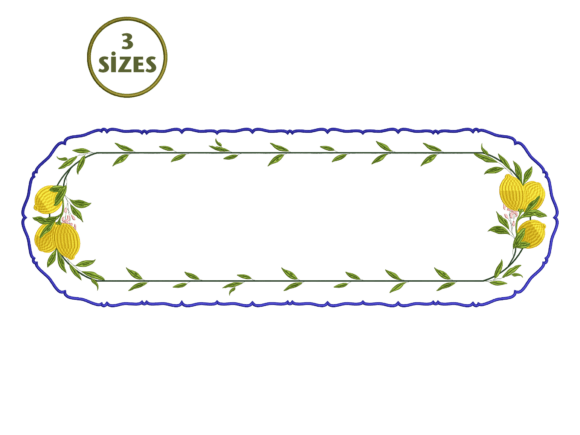
As an embroidery designer evaluating assets for commercial production, my first assessment of the Lemon Table Runner Embroidery Design focuses on its versatility beyond the kitchen. While the name suggests home decor, the visual language of citrus motifs often translates exceptionally well into small business merch and lifestyle branding. Upon reviewing this machine embroidery design, the aesthetic strikes a balance between rustic charm and modern freshness. It does not feel overly domestic; rather, it possesses a clean, organic geometry that suits artisanal brands, farm-to-table cafes, boutique florists, and handmade soap companies.
For business owners, the critical question is whether this design feels professional enough for brand identity. In my experience, lemon imagery connotes cleanliness, zest, and natural ingredients. This makes the Lemon Table Runner Embroidery Design particularly strong for businesses wanting to project an image of freshness or organic quality. However, because it is originally categorized under Kitchen and Embroidery, designers must be intentional about colorways and placement to ensure it reads as a brand asset rather than just a decorative table accent. The design’s inherent friendliness makes it approachable for customer-facing merchandise like tote bag design projects or welcome gifts.
Commercial Applications: From Aprons to Retail Packaging
When integrating this digital embroidery file into a commercial workflow, I see immediate potential for specific business verticals. For a local bakery or juice bar, this design serves as an excellent secondary logo or seasonal accent on apron embroidery. Staff uniforms benefit from motifs that reinforce the product offering without being aggressive corporate branding. The organic shapes typical of lemon designs tend to digitize smoothly on canvas or denim aprons, provided the stitch density is managed correctly to prevent fabric puckering.
Beyond apparel, this design is a strong candidate for creating branded embroidered patch inventory. Small businesses can use these patches as value-adds for packaging, sealing tissue paper in shipping boxes, or selling them as standalone low-cost items at checkout. For Etsy sellers and craft vendors, the Lemon Table Runner Embroidery Design offers a cohesive theme for shop branding. It can be stitched onto linen tags for handmade products or used to personalize market stall signage. The key to successful commercial embroidery here is consistency; using the same thread colors across all applications ensures that whether the design appears on a cap, a tote, or a product label, it reinforces visual recognition.
Evaluating Technical Performance on Merchandise
From a technical standpoint, applying a design named "Table Runner" to wearable merchandise requires careful testing. Table runner designs are often optimized for flat, stable woven fabrics. When adapting this embroidery file for cap embroidery or curved surfaces, you must verify the structural integrity of the digitizing. Caps present unique challenges due to their curvature and seam allowances. If the lemon motif contains intricate shading or high-density fill areas, it may distort on a structured cap front. I recommend running a test stitch-out specifically on your intended headwear blanks before committing to bulk production.
Similarly, when using this design for custom apparel like lightweight summer tees or performance wear, pay close attention to stabilizer choice. A design originally meant for heavier table linens might be too dense for thin knits. You may need to edit the digital embroidery file to reduce underlay stitches or adjust pull compensation. Always check the hoop size requirements against your garment’s printable area. A large table runner motif might need resizing for a chest pocket placement, which can alter stitch density and detail clarity. Never assume a resize will maintain perfect registration; always test on the actual fabric texture you plan to sell.
Strategic Placement and Brand Identity Impact
The placement of the Lemon Table Runner Embroidery Design significantly influences how customers perceive your brand. On a finished product like a premium tote bag, centering the design creates a bold statement piece suitable for farmers' markets. Conversely, placing a smaller version on the sleeve of a work shirt acts as a subtle badge of authenticity. For small business owners, this flexibility is valuable. It allows you to utilize a single design asset across multiple price points and product categories.
However, caution is required with dark uniforms or textured fabrics. Citrus designs often rely on bright yellows and greens. On dark navy or black apparel, ensure there is sufficient contrast or a white outline to make the design pop. Without this, the embroidery can get lost, diminishing the perceived value of the handmade product. Furthermore, consider the washability of the item. If this design is used on bistro aprons or chef coats that undergo industrial laundering, verify that the thread types and density can withstand harsh detergents and high heat. A beautiful design that frays after three washes damages customer trust and reflects poorly on your professionalism.
Designer Notes: Pre-Production Checklist for Business Use
Before listing any item featuring the Lemon Table Runner Embroidery Design for sale, adhere to this professional validation protocol:
- Verify Licensing: Confirm the commercial usage rights included with your purchase. Since this is a digital product with no returns, ensuring you have the legal right to sell embroidered goods featuring this design is the first step.
- Create Printable Mockups: Before stitching, use software to generate a printable mockup on your specific blank products. This helps visualize scale and placement relative to seams, pockets, and zippers.
- Test Stitch Density: Run a sample on scrap fabric identical to your production material. Check for registration issues, especially if resizing the design for smaller patches or logos.
- Audit Thread Contrast: View the design in grayscale to ensure tonal separation remains distinct. This is crucial for visibility on varied background colors.
- Check File Integrity: Remember that files arrive in ZIP or RAR format. Extract and organize your embroidery file immediately upon instant download to ensure compatibility with your machine before starting client work.
- Validate Hoop Compatibility: Measure the design dimensions against your available hoops. If the original table runner size exceeds your maximum hoop area, plan for splitting or resizing strategies well in advance.
Maximizing Value in Digital Embroidery Assets
Ultimately, the Lemon Table Runner Embroidery Design represents more than just a kitchen pattern; it is a versatile component for creative entrepreneurs. By approaching this machine embroidery design with a commercial mindset, you transform a decorative file into a revenue-generating asset. Whether you are producing staff uniforms for a summer cafe, creating branded packaging for a skincare line, or developing a new collection of market totes, the success lies in technical diligence and strategic application.
Remember that as a digital product, the quality of your finished product depends entirely on your preparation. There are no physical samples to inspect beforehand, so your role as the manufacturer is paramount. Test thoroughly, respect the limitations of your equipment and fabrics, and leverage the fresh, appealing aesthetic of this design to build a recognizable and trusted brand. With proper execution, this design can elevate your merchandise from simple goods to coveted, professionally crafted items that resonate with your target audience.