Lucille Regular Embroidery Font Review
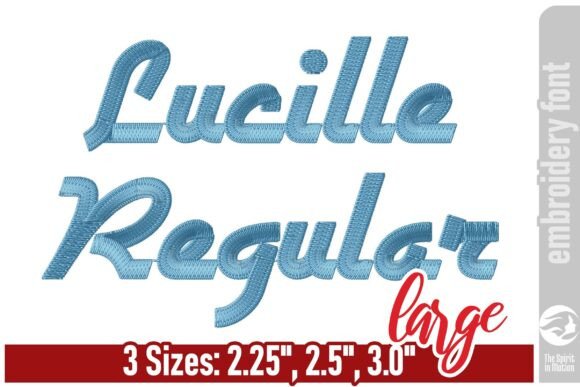
As I prepare my inventory for the upcoming weekend craft fair, selecting the right typography is just as critical as choosing the blank garments themselves. Customers at handmade markets are drawn to booth displays that communicate quality and style from several feet away. After testing the Lucille Regular Embroidery Font - Large, I can confidently say this typeface is a powerhouse for vendors focusing on vintage Americana, automotive nostalgia, and bold retro aesthetics. It captures the high-speed spirit of classic car culture with an Art Deco influence that feels both premium and rugged. For embroidery business owners and Etsy sellers, this font bridges the gap between decorative script and industrial readability, making it an exceptional choice for commercial embroidery projects.
First Impressions: Bold Retro Charm
My initial reaction to stitching out Lucille Regular was that it commands attention without looking messy. Unlike delicate cursive fonts that can get lost on textured fabrics, this design has a substantial weight that mimics vintage garage signage and mid-century advertising. It does not feel overly feminine or strictly farmhouse; instead, it carries a unisex, nostalgic appeal that broadens your potential customer base. The letterforms have enough thickness to support satin stitches beautifully, yet they retain the elegant curves associated with Art Deco scripts. When evaluating embroidery fonts for a busy market environment, legibility is paramount. Lucille Regular succeeds because it reads clearly as text rather than abstract decoration, ensuring customers understand exactly what your product says even while walking past your table.
Best Selling Applications for Market Booths
Determining where to place a new machine embroidery design requires understanding both the fabric and the buyer's intent. Based on my production tests, Lucille Regular excels in specific categories that drive sales at craft fairs and online shops.
- Tote Bag Design: This is arguably the strongest application for this font. Canvas tote bags provide a stable, flat surface that allows the large size of Lucille Regular to shine. A single word or short phrase centered on a natural canvas bag creates a high-impact, giftable item that photographs exceptionally well for printable mockups and social media.
- Apron Embroidery: For BBQ enthusiasts, mechanics, or home cooks who love retro styling, this font adds instant character to denim or twill aprons. The bold weight stands up against heavier fabric textures where thinner fonts would disappear.
- Tea Towel Embroidery: While often associated with delicate florals, tea towels featuring Lucille Regular tap into the "garage-chic" kitchen trend. Pairing this font with simple line-art cars or tools creates a cohesive themed product line.
- Embroidered Patches: Because the letters are substantial, they digitize cleanly for patches. This opens up revenue streams for selling standalone patches or customizing jackets and caps for local car clubs.
- Caps and Hats: The large format works well on structured caps, provided you adjust the curvature settings in your software. The vintage vibe aligns perfectly with trucker hats and dad caps.
Production Practicality and Batch Efficiency
For small shop product creators, time is money. A beautiful font is useless if it causes constant thread breaks or requires excessive trimming. Lucille Regular is designed with production efficiency in mind. The stitch paths appear optimized for smooth running, which reduces wear on your machine during batch production runs. When preparing for a market, I need to know I can hoop ten tea towels and walk away without hovering over the machine. This digital embroidery file supports that workflow.
Furthermore, the visual consistency of this font aids brand recognition. If you use Lucille Regular across your entire booth display—from price tags to product labels to the merchandise itself—you create a professional, curated shopping experience. Buyers perceive higher value in handmade products when the typography looks intentional and cohesive rather than haphazard. This font’s distinct personality helps distinguish your work from generic competitors using standard system fonts.
Critical Use Notes for Professional Results
Despite its versatility, no embroidery file is immune to physics. As an experienced designer, I must highlight specific constraints to ensure your finished product meets professional standards.
Fabric Texture and Stabilizer Choices
Because Lucille Regular is a bold font, it lays down significant thread coverage. On plush terry cloth or thick fleece, you must use adequate stabilizer to prevent the stitches from sinking into the pile. I recommend a heavy-duty cut-away stabilizer for stretchy knits and a tear-away with a water-soluble topping for towels. Without proper stabilization, the crisp edges of the Art Deco serifs will look ragged, diminishing the perceived quality of your craft fair product.
Sizing Limitations
The product title specifies "Large," and this is a crucial detail. Do not attempt to shrink this font down to tiny sizes for collar tags or sleeve cuffs. Reducing bold satin stitches below their intended minimum width causes tunneling and poor registration. Always verify the recommended size range in your embroidery software before resizing. If you need small text for a tag, pair Lucille Regular with a complementary sans-serif font for contrast and clarity.
Thread Contrast and Color Selection
Vintage aesthetics rely heavily on color theory. This font performs best with high-contrast thread colors. Cream thread on navy denim or rust orange on charcoal grey canvas makes the letterforms pop. Avoid low-contrast combinations like white on pale yellow, as the intricate details of the script will vanish in photos and under dim market lighting. Always test your thread colors on scrap fabric identical to your final product to confirm visibility.
Designer Checklist Before Selling
Before listing any item made with Lucille Regular on Etsy or placing it on your market table, run through this practical checklist to protect your reputation and profit margins.
- Verify Commercial Licensing: Confirm that your purchase of this digital embroidery file includes rights for selling finished physical products. Never assume licensing terms; check the designer’s documentation explicitly.
- Test Stitch-Out: Never sell a product based solely on a screen simulation. Run a full test stitch-out on the exact fabric and stabilizer combination you plan to use commercially.
- Check Hoop Size Compatibility: Ensure the large format fits within your machine’s maximum embroidery area. If splitting is required for larger designs, practice aligning the sections perfectly before committing to expensive blanks.
- Inspect Stitch Density: Examine the back of your test sample. If the stabilizer is completely obscured by thread, the density may be too high for lightweight fabrics, causing puckering. Adjust pull compensation or density settings if necessary.
- Create Real Mockups: Photograph the actual embroidered item rather than relying solely on digital renderings. Customers trust real photos that show texture and scale. Use these images to validate how the font translates from screen to fabric.
- Review Spacing and Kerning: Type out your specific phrases before stitching. Some letter combinations may require manual kerning adjustments to maintain the flowing Art Deco rhythm. Uneven spacing looks unprofessional on premium handmade goods.
Elevating Your Handmade Business
Incorporating Lucille Regular Embroidery Font - Large into your product lineup offers more than just a new typeface; it provides a distinct visual identity that resonates with buyers seeking nostalgia and quality. Whether you are embroidering market bags for a summer festival or creating custom patches for automotive enthusiasts, this font delivers the boldness required to stand out in a crowded marketplace. By respecting its technical requirements and leveraging its vintage strengths, you transform a simple digital asset into a best-selling staple of your embroidery business. Remember, successful craft fair selling combines artistic vision with technical precision, and Lucille Regular supports both ends of that spectrum effectively.