Ottoman Border Embroidery Design: A Designer’s Real-World Review
First Impressions: Elegant, Classic, and Surprisingly Versatile
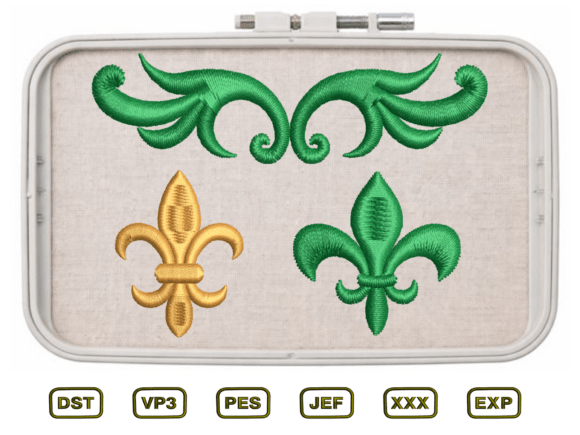
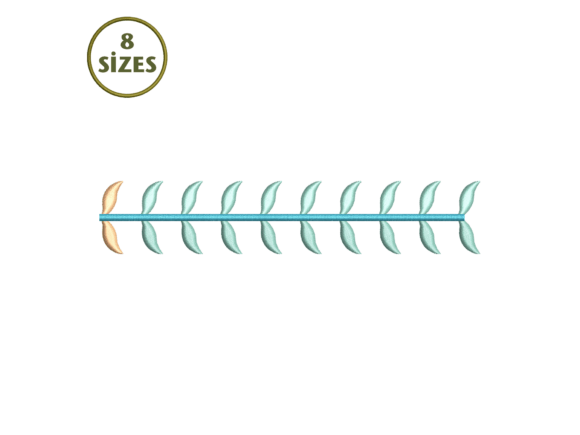
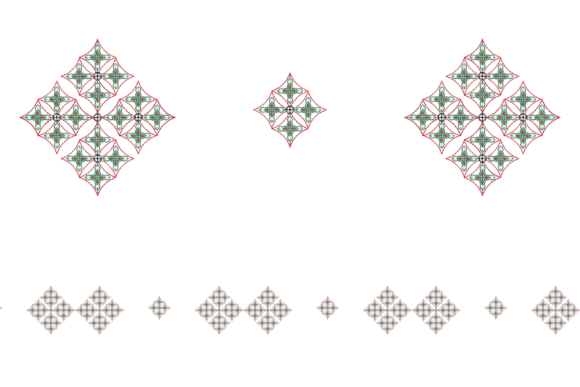
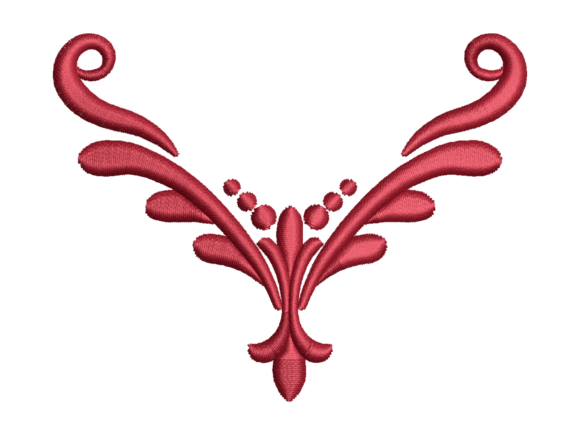
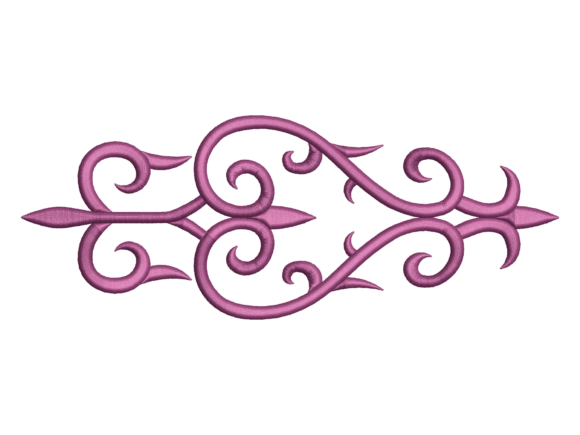
When I first opened the Ottoman Border Embroidery Design file, I was struck by its intricate yet balanced layout. It carries a timeless elegance—those flowing curves, floral motifs, and symmetrical structure feel like they’re pulled straight from a vintage textile archive. The design has a rich visual texture without being overly busy, which is a rare find in border embroidery. It’s got a decorative yet wearable personality, perfect for both high-end custom items and everyday handmade goods.
This isn’t the kind of border that screams for attention; it subtly frames your main design or text, enhancing the overall aesthetic without overpowering it. I immediately thought of how it could elevate a custom embroidered tote bag or a boutique-style sweatshirt.
Real-World Use: From Tote Bags to Baby Clothes
I tested the Ottoman Border Embroidery Design on a few different fabric types and project types to get a sense of its flexibility. First up: a medium-weight cotton tote bag. The design stitched out cleanly, with crisp satin and fill stitches. The spacing between motifs allowed for easy placement without crowding, especially helpful when adding a name or short phrase in the center.
Next, I tried it on a baby onesie. The border scaled down nicely without losing its detail, though I did have to adjust the stabilizer slightly to prevent puckering on the stretchy knit fabric. It held up well and gave the onesie a boutique-quality finish. I could easily see this being used for baby shower gifts or personalized nursery decor items.
For a more commercial application, I stitched it onto a hoodie mockup for a client’s boutique line. The border added a touch of sophistication, and the client loved how it elevated the overall look of the product. It’s definitely a design that can work for both personal and small-batch commercial embroidery projects.
Where to Use It Carefully: Fabric and Placement Matter
While the Ottoman Border Embroidery Design is versatile, it does require some thoughtful application. On very thin or stretchy fabrics, the dense stitch areas can cause distortion if not stabilized properly. I found that using a medium-weight cutaway stabilizer made a big difference in maintaining stitch integrity.
Dark fabrics also posed a challenge in terms of contrast. The original thread colors assumed a light background, so I had to adjust them for black and navy garments. It’s worth testing the design in a black-and-white mockup first to see how the details translate without color.
When placing the design on curved surfaces like caps or sleeves, I recommend using a smaller hoop or breaking the design into sections. The corners of the border are quite detailed, and stitching them on a curved surface without proper tension can lead to skipped stitches or distortion.
Impact on Product Value and Customer Perception
From a product design standpoint, the Ottoman Border Embroidery Design adds a layer of professionalism and craftsmanship. It’s the kind of detail that customers notice and appreciate—especially when used in personalized gifts or boutique merchandise. Whether it’s stitched around a name on a pillow cover or framing a logo on a custom apron, it gives the item a finished, intentional look.
For Etsy sellers and small craft businesses, this kind of border can help elevate a product from “homemade” to “handcrafted with care.” It’s a subtle but effective way to build brand consistency across different product lines, especially when used across tote bags, tea towels, and holiday-themed items.
Designer Notes: Test, Adjust, and Verify Before Production
Before using the Ottoman Border Embroidery Design in any project—personal or commercial—I always recommend a few key steps:
- Test on scrap fabric first, especially if you’re working with a new fabric type or color.
- Check thread color contrast against both light and dark backgrounds to ensure visibility and balance.
- Review stitch density to avoid puckering or stiffness, particularly on delicate or stretchy materials.
- Confirm hoop size compatibility with your machine and the intended placement area.
- Inspect small details like corners and floral accents to ensure they stitch cleanly without gaps.
- Test in black and white mockups to evaluate visual clarity before committing to thread purchases.
- Use the right stabilizer for your fabric type—cutaway for stretchy knits, tear-away for stable weaves.
- Verify licensing before selling any finished product or digital embroidery file that includes this design.
Final Thoughts: A Strong Choice for Designers and Sellers Alike
The Ottoman Border Embroidery Design is a well-structured, aesthetically pleasing asset for any embroidery project that needs a touch of elegance. It’s not just a decorative element—it’s a functional design that enhances product presentation, adds perceived value, and helps create a cohesive brand look across handmade and commercial items.
Whether you’re an Etsy seller looking to elevate your product line, a craft business owner creating personalized gifts, or a designer working on custom apparel, this border is worth considering. Just be sure to test it thoroughly and adjust for fabric and placement needs before production.
Overall, it’s a design that feels both classic and modern, versatile enough for a wide range of applications, and detailed enough to impress even the most discerning eye.