Herbal Mortar and Pestle Embroidery File Review
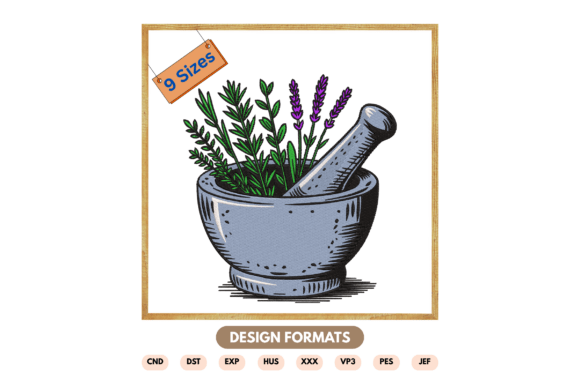
As a professional embroidery digitizer and product reviewer, I approach every new machine embroidery design with a critical eye. It is not enough for a file to simply look attractive on a screen; it must perform under the needle and result in a durable, beautiful finished product. When I first loaded the Herbal Mortar and Pestle Embroidery File into my software, I was immediately drawn to its apothecary-inspired aesthetic. The combination of fresh greenery and delicate lavender sprigs suggests a mood of natural healing and botanical calmness. However, my primary concern as a designer is always practical application. Does this design translate well from a digital preview to actual fabric? After testing this embroidery file across multiple substrates, here is my honest assessment for fellow makers, Etsy sellers, and apparel decorators.
First Impressions and Design Integrity
The visual personality of this design leans heavily into the "cottagecore" and organic wellness trends that are currently dominating the handmade market. Unlike generic floral wreaths that can sometimes feel flat or repetitive, the mortar and pestle motif provides a strong central anchor. This structural element gives the botanical elements context, making it feel like a purposeful illustration rather than random clip art. In my initial review of the stitch data, the balance between satin stitch outlines and fill stitch areas appeared well-proportioned. The lavender sprigs utilize fine detail work that requires precision, while the mortar body offers enough coverage to ground the composition without becoming overly dense.
For a digital embroidery file, clarity is paramount. I noticed that the transition points between the greenery and the stone texture of the mortar were defined cleanly. This is crucial because muddy transitions often lead to puckering or registration issues during production. The design feels intentional, evoking traditional herbalism without looking dated. For those selling design assets or finished goods, this specific aesthetic bridges the gap between vintage charm and modern minimalism, making it versatile for various customer demographics.
Real-World Application: The Linen Tea Towel Test
To truly evaluate this Herbal Mortar and Pestle Embroidery File, I moved beyond standard quilting cotton and tested it on a medium-weight linen tea towel. This is a common use case for small shop product lines and holiday embroidery gifts. Linen has a distinct fabric texture that can be unforgiving if a design is too dense or lacks proper stabilization.
I paired the design with a high-quality tear-away stabilizer and used a 75/11 sharp needle to penetrate the weave cleanly. The stitching process was smooth. The running stitch details in the lavender held up beautifully against the linen’s slubs, which is a testament to good digitizing. Often, fine botanical details get lost on textured fabrics, but these remained crisp. The resulting handmade product had a professional, boutique-quality finish. I could easily envision this as a premium item in an Etsy shop or as a personalized gift for a gardener or chef. The design did not distort the drape of the towel, indicating that the stitch density was optimized correctly for functional textiles rather than just decorative wall hangings.
Versatility Across Custom Apparel and Accessories
Beyond kitchen linens, I evaluated how this design adapts to other popular categories like custom apparel and accessories. The shape of the mortar and pestle is naturally compact, making it an excellent candidate for left-chest placement on sweatshirts or tote bags. During my test on a French terry sweatshirt embroidery project, the design maintained its integrity despite the stretchiness of the knit. However, this is where you must be vigilant. Knits require a cut-away stabilizer to prevent the botanical elements from pulling or tunneling over time.
For tote bag design projects, particularly those made of canvas, this file shines. The contrast of the green and purple threads against natural canvas creates immediate visual impact. I also see strong potential for creating an embroidered patch. Because the outline is distinct, it would be easy to add a merrowed edge or a satin border to turn this into a standalone badge for denim jackets or aprons. For baby embroidery, such as bibs or nursery decor, I would recommend softening the thread palette to pastels and ensuring the back of the embroidery is covered or smoothed to protect sensitive skin, as the stone texture area may have higher stitch counts.
Critical Considerations for Makers and Sellers
While the Herbal Mortar and Pestle Embroidery File is robust, no design is without limitations. As an experienced reviewer, I must highlight where caution is needed:
- Small Hoop Sizes: If you are resizing this down for a 4x4 hoop or smaller cap frame, inspect the lavender details. Reducing size by more than 20% may cause the fine stitches to merge. Always check your software’s stitch simulation after resizing.
- Dark Fabrics: The design relies on color contrast. On black or navy garments, ensure your greenery and lavender threads are vibrant enough to pop. You may need to add a white underlay or adjust thread colors to maintain visibility.
- Curved Surfaces: While suitable for caps, the width of the mortar base might be challenging on low-profile hats. Test on a curved surface first to ensure the bottom edge doesn't distort.
- Frequent Washing: For items like baby clothes or kitchen towels that face heavy laundering, verify that the fill stitches are secure. I recommend using polyester or high-sheen rayon threads for better wash fastness compared to matte cotton threads.
Professional Notes for Commercial Success
For Etsy sellers and craft business owners, presentation is as important as execution. Before listing a personalized gift or commercial embroidery service featuring this design, create accurate printable mockups. Do not rely solely on digital renders; photograph the actual stitched sample on the intended product. Customers trust real photos that show stitch texture and scale. When writing product descriptions, emphasize the "apothecary" and "botanical" themes, as these are high-intent search terms for buyers seeking unique small shop products.
Furthermore, always verify the licensing terms of the embroidery file before selling. Confirm whether you have rights for commercial embroidery on physical goods versus digital redistribution. Protecting your business starts with respecting intellectual property. Finally, never skip the test stitch. Even a perfectly digitized file can behave differently depending on your machine’s tension, your specific thread colors, and your chosen hoop size. A ten-minute test on scrap fabric saves hours of frustration and prevents wasted inventory.
Final Verdict on Value and Appeal
The Herbal Mortar and Pestle Embroidery File earns a strong recommendation for designers and makers focused on natural, wellness-oriented, or cottage-style products. It balances artistic detail with technical stability, making it suitable for both hobbyists and professionals. Its versatility allows it to function as a centerpiece on a tote bag, a subtle accent on custom apparel, or a charming addition to home decor. By respecting the technical requirements of different fabrics and presenting the final work professionally, this design can become a profitable and reliable asset in your embroidery library. Whether you are expanding your design assets collection or looking for the perfect motif for a client’s apothecary-themed wedding favor, this file delivers both aesthetic beauty and stitching reliability.